



The Indonesia Net-Zero Summit (INZS) was initiated in 2021 and has since grown into the largest independent-led climate forum in Indonesia. INZS brings together governments, businesses, academia, youth, and civil society toward collective ownership and a whole-of-society movement for net-zero and climate resilience in Indonesia and beyond.
Now entering its fifth year, INZS 2026 adopts the theme "It's Time to Deliver!" — reflecting a pivotal moment where global and national climate commitments must be translated into concrete action. Amidst geopolitical turbulence and global economic pressures, the transition to net-zero can no longer be viewed as a long-term agenda to be deferred; rather, it is an urgent necessity for strengthening energy resilience, economic competitiveness, and national security. Bold ambitions yield meaningful change only when backed by credible and consistent implementation. The time has come for all stakeholders — from government and the business sector to the general public — to drive progress toward measurable results and tangible impact.
Indonesia Net-Zero Summit (INZS) pertama kali diinisiasi pada tahun 2021 dan kini telah berkembang menjadi forum iklim independen terbesar di Indonesia. INZS menyatukan pemerintah, bisnis, akademisi, pemuda, dan masyarakat sipil menuju kepemilikan kolektif dan gerakan seluruh masyarakat untuk net-zero dan ketahanan iklim di Indonesia dan sekitarnya.
Kini memasuki tahun kelimanya, INZS 2026 mengusung tema "It's Time to Deliver!" yang mencerminkan momentum krusial di mana komitmen iklim global dan nasional harus mulai diterjemahkan menjadi aksi nyata. Di tengah gejolak geopolitik dan tekanan ekonomi global, transisi menuju net-zero tidak lagi bisa dipandang sebagai agenda jangka panjang yang bisa ditunda, melainkan kebutuhan mendesak untuk memperkuat ketahanan energi, daya saing ekonomi, dan keamanan suatu bangsa. Ambisi besar akan membawa perubahan bermakna jika didukung oleh implementasi yang kredibel dan konsisten. Kini saatnya seluruh pihak — pemerintah, dunia usaha, hingga masyarakat — bergerak menuju hasil yang terukur dan berdampak nyata.
Issue Clusters
Energy Security for All
In an increasingly fragmented world, traditional energy systems are structurally exposed to geopolitical shocks, supply disruptions, and price volatility, undermining economic stability and welfare. Amid these challenges, the energy transition is a long-term solution for securing reliable, affordable energy systems. Diversifying energy sources and accelerating the deployment of renewables can strengthen resilience, reduce external dependence, and unlock new engines of growth.

Geopolitics and Diplomacy
Geopolitics is increasingly shaping the pace and direction of climate action. Global tensions, supply chain competition, and shifting power dynamics redefine national priorities. In this context, climate transition has become a core component of foreign policy and national interest, which requires more adaptive approaches to diplomacy beyond traditional multilateral models. As the global order shifts, Indonesia, Southeast Asia, and other emerging economies have a growing opportunity to act as convenors, bridge-builders, and norm-setters in advancing cooperative climate solutions.

Aligning Economy, Trade, and Finance
Climate policy is economic policy. The rise of green trade measures, shifting supply chains, and competition over critical resources are redefining how countries position themselves in the global economy. For emerging economies, the question is how to move early enough to capture value, attract capital, and avoid structural disadvantage. Aligning these fronts will be essential to ensure the transition delivers durable growth and resilience.
Enhancing Nature-based Solutions
From forests, peatlands, to coastal ecosystems, nature-based solutions can deliver up to one-third of global emissions reductions while supporting food and water security, livelihoods, and resilience. For Indonesia and beyond, the opportunity lies in regenerative systems where ecosystems are protected, communities are empowered, and climate action delivers lasting socioeconomic value.
Building People and Societal Resilience
Climate change is a human security risk, from heat that disrupts work and floods that displace families to air pollution that affects health. These impacts are already reshaping lives across urban and rural areas, hitting the most vulnerable hardest. Building resilience now means investing in climate-ready systems and ensuring communities are equipped to anticipate, withstand, and recover from these risks.


Session Agenda







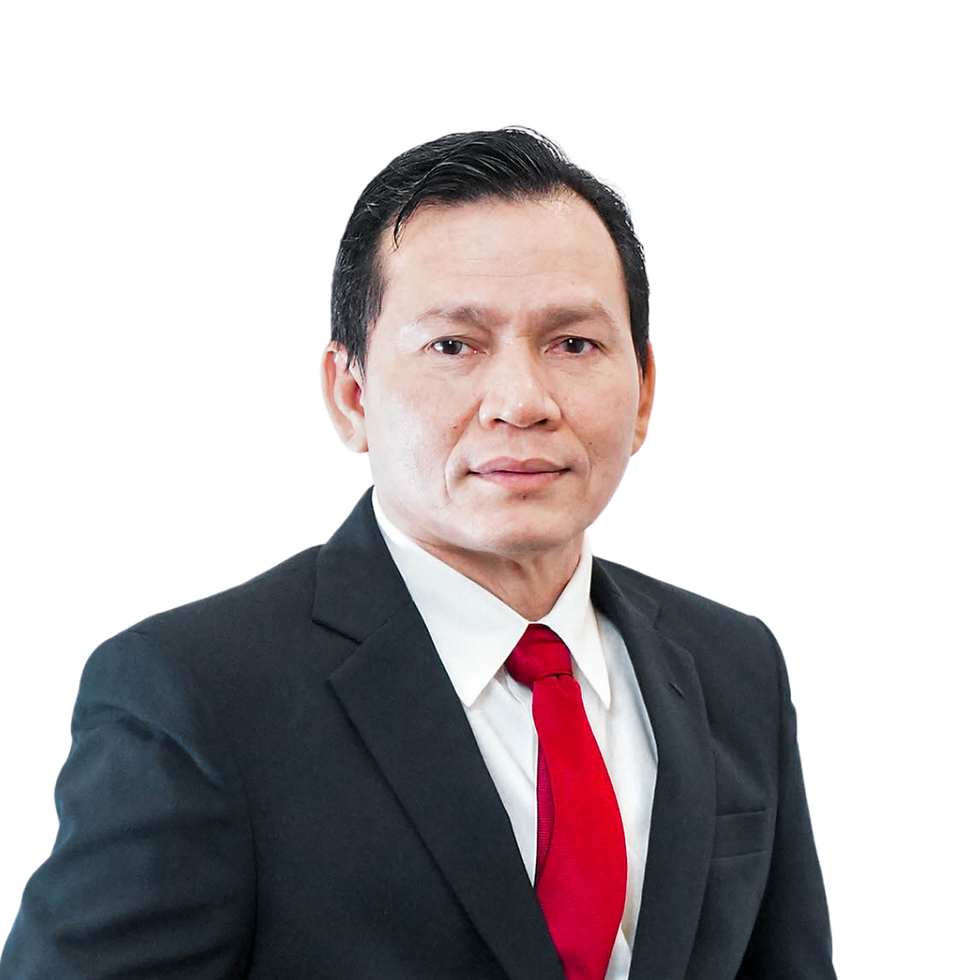


Sesi 2A
How is China Building Its Green Future and Lessons for the World
Upaya Tiongkok Membangun Masa Depan yang Hijau dan Pelajaran-pelajaran yang Bisa Dipetik untuk Dunia
*Diselenggarakan bekerja sama dengan Institute of Climate Change and Sustainable Development (ICCSD), Tsinghua University.
In collaboration with the Institute of Climate Change and Sustainable Development (ICCSD), Tsinghua University.
Sesi ini akan dilaksanakan dalam Bahasa Inggris. This session will be held in English.
13:15 - 14:30 WIB | Dana Rote Ballroom


Sesi 3C
Clean Electrification Is the Future of Energy Security — How Do We Grow Renewables and Electrify Now?
Elektrifikasi Bersih adalah Masa Depan Ketahanan Energi — Bagaimana Kita Mempercepat Pengembangan Energi Terbarukan dan Elektrifikasi?
*Diselenggarakan bekerja sama dengan E3G & GRA.
In collaboration with E3G & GRA
15:00 - 16:15 WIB | Miangas 2 Room


Venue Map

Relive the Excitement of INZS!
Our Knowledge Partners


Our Program Partners


Our Media Partners


Our Activation Partners


Our Community Partners


